Mastering Spaghetti Squash: From Pantry Staple to Culinary Delight
Spaghetti squash is far more than just a passing trend or a low-carb alternative to pasta. This unique winter squash, with its signature strand-like flesh, offers an incredible blend of flavor, versatility, and nutrition that makes it a must-have in any health-conscious kitchen. While various cooking methods exist, understanding how to cook spaghetti squash to perfection, particularly through roasting, can elevate it from a simple vegetable to a deeply flavorful and satisfying meal component. Let's delve into the world of spaghetti squash and unlock its full potential.Discovering Spaghetti Squash: A Culinary Gem
At first glance, spaghetti squash might seem like just another hard-skinned winter squash. However, its true magic reveals itself upon cooking. It's an oval-shaped, bright yellow squash with a firm exterior and a pale yellow interior. What truly sets it apart is its unique flesh, which, once cooked, easily separates into delicate, spaghetti-like strands. This mild-flavored vegetable is less sweet than its cousins like butternut or acorn squash, making it an incredibly neutral canvas, eager to absorb whatever flavors you introduce. While deeply embedded in American culinary culture today, with its peak season spanning the cooler months of fall and winter, spaghetti squash's origins are believed to trace back to China in the mid-19th century. It wasn't until 1936 that a Japanese strain was introduced to American markets, slowly but surely finding its way into kitchens across the country. Today, you can find it year-round in most grocery stores, ready to be transformed into countless delicious dishes.The Art of Roasting: Why It's the Best Way to Cook Spaghetti Squash
When it comes to how to cook spaghetti squash, roasting stands out as the superior method. It’s a hands-off approach that not only simplifies the cooking process but also fundamentally enhances the squash's flavor profile.Why Roasting Reigns Supreme:
- Deep Flavor Development: Roasting brings out the squash's natural sweetness and adds a delicious caramelization to the edges of the strands. This depth of flavor is often lost in methods like boiling or steaming, which can result in a more watery and bland product.
- Perfect Texture: The dry heat of the oven ensures that the squash cooks evenly, yielding tender yet distinct strands that are truly "twirlable" – mimicking the ideal al dente texture of pasta.
- Simplicity and Ease: Despite taking some time, the active prep work for roasting is minimal. Once in the oven, it largely takes care of itself, freeing you up for other meal preparations.
Step-by-Step Guide: How to Cook Spaghetti Squash to Perfection
Achieving perfectly roasted spaghetti squash is straightforward. Here’s a detailed breakdown of the process:1. Selecting Your Squash:
Choose a spaghetti squash that feels firm to the touch, without any soft spots, blemishes, or dark marks. For two to three servings, a medium-sized squash weighing around 2 pounds is ideal.
2. Gather Your Essentials:
- 1 medium spaghetti squash (approx. 2 pounds)
- 1-2 tablespoons olive oil (extra virgin is great for flavor)
- ½ teaspoon Kosher salt (or to taste)
- ¼ teaspoon freshly ground black pepper (or to taste)
3. Preparation is Key:
- Preheat Oven: Set your oven to a robust 425°F (220°C). This high heat is crucial for proper caramelization.
- Wash and Dry: Thoroughly wash the exterior of the squash under running water and pat it completely dry.
- Careful Cutting: Spaghetti squash has notoriously tough skin. To make cutting easier and safer, you can microwave the whole squash for 2-3 minutes to slightly soften it. Then, using a very sharp chef's knife, carefully slice off both ends of the squash to create stable, flat surfaces. Stand the squash upright on one flat end and carefully slice it in half lengthwise, from top to bottom.
- Scoop the Seeds: Use a large spoon to scoop out the seeds and fibrous strands from the center of each squash half, similar to how you would clean a pumpkin.
- Season and Oil: Drizzle the cut sides of both squash halves generously with olive oil. Use your hands or a pastry brush to spread the oil evenly over the entire cut surface. Sprinkle generously with kosher salt and freshly ground black pepper. The salt is particularly important as it helps to bring out the squash's understated natural sweetness.
4. Roasting Process:
Place the seasoned squash halves, cut-side down, on a baking sheet. Roasting them cut-side down helps steam the interior while allowing the edges to brown beautifully. Roast for approximately 35-50 minutes, or until the squash is very tender and easily pierced with a fork. The cooking time will vary depending on the size of your squash.
5. Check for Doneness & Shred:
Once tender, carefully remove the squash from the oven. Let it cool slightly for a few minutes until it’s comfortable enough to handle. Use a fork to gently scrape the flesh from the inside of the squash halves. The strands should easily separate and resemble spaghetti. Transfer the "noodles" to a serving bowl. Feel free to add another drizzle of olive oil, a pinch of salt, or your favorite herbs for extra flavor.
Unlocking Its Potential: Serving Ideas and Nutritional Perks
Once you've mastered how to cook spaghetti squash, a world of culinary possibilities opens up.Versatile Serving Suggestions:
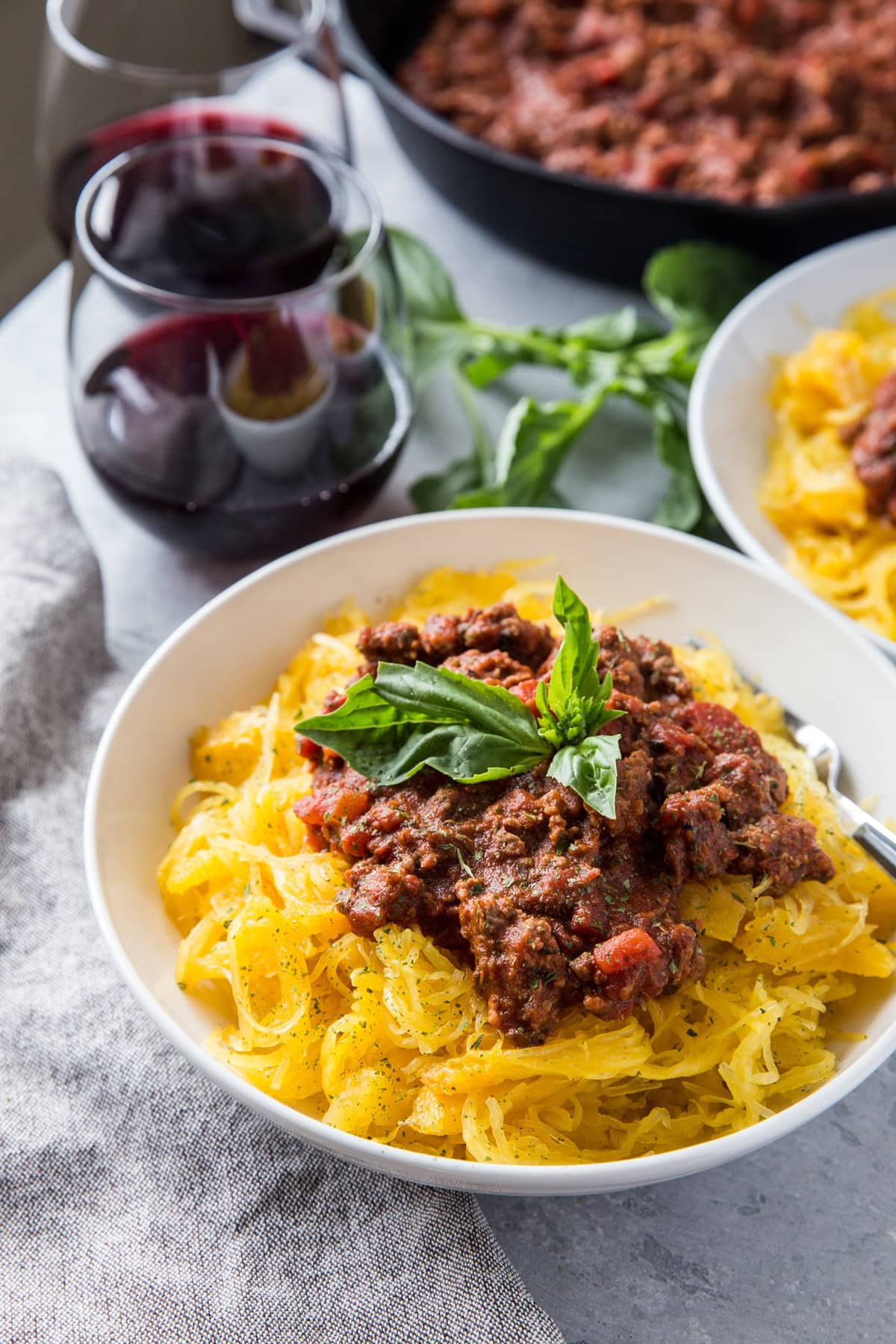
- Pasta Substitute: The most popular use! Top your spaghetti squash strands with your favorite pasta sauces – marinara, pesto, Alfredo, or a rich meat sauce. It's a fantastic way to enjoy classic flavors with a lighter, vegetable-forward base.
- Dynamic Side Dish: Serve it simply seasoned with herbs, garlic, and Parmesan cheese alongside grilled salmon, roasted chicken, or a perfectly seared steak.
- Hearty Entrée: Transform it into a wholesome meal. Stuff the roasted squash halves with a mixture of ground beef or turkey, vegetables, cheese, and herbs, then bake until bubbly. Or, toss the strands with roasted broccoli, sun-dried tomatoes, and feta cheese for a vibrant vegetarian dish.
- Beyond the Obvious: Get creative! Incorporate spaghetti squash into frittatas, casseroles, or even use it as a base for low-carb "hash browns."
A Nutritional Powerhouse:
Beyond its culinary appeal, spaghetti squash is a nutritional superstar. It’s low in calories and packed with essential nutrients, making it an excellent addition to any diet:
- Dietary Fiber: Promotes digestive health and helps you feel full, aiding in weight management.
- Potassium: Important for blood pressure regulation and maintaining fluid balance.
- Vitamin C: A powerful antioxidant that supports immune function and skin health.
- Beta-Carotene: Gives the squash its vibrant hue and is converted to Vitamin A in the body, essential for vision and immune health.
- Antioxidants: Helps protect your cells from damage caused by free radicals.
Beyond the Basics: Tips for Success and Culinary Inspiration
While roasting is our top recommendation, it's worth noting that spaghetti squash can also be cooked in a microwave or Instant Pot for those times when speed is paramount. Each method offers a slightly different texture and flavor profile. To explore these alternative cooking techniques in detail, check out our guide on Spaghetti Squash: Roast, Microwave & Instant Pot Methods.Extra Tips for the Best Results:
- Don’t Overcook: Overcooked spaghetti squash can become mushy. Keep an eye on it towards the end of the cooking time to ensure the strands remain distinct.
- Cool Before Handling: Be patient and allow the squash to cool slightly after roasting. This makes it easier and safer to handle and scrape out the strands.
- Storage: Leftover roasted spaghetti squash can be stored in an airtight container in the refrigerator for up to 3-4 days. It reheats well in the microwave or a skillet.
- Flavor Boosters: Don't be shy with aromatics! Garlic powder, onion powder, dried oregano, thyme, or a sprinkle of red pepper flakes can all elevate the basic roasted squash.
